
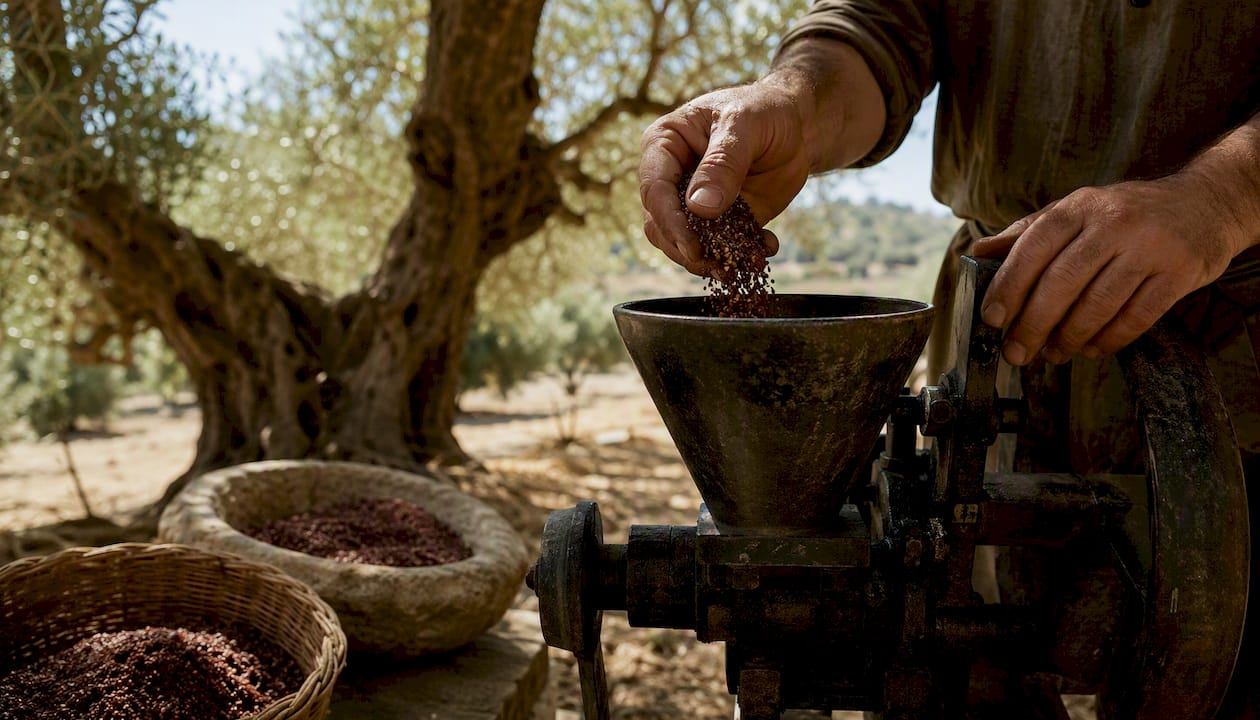
Palinova Wild Sumac Seed Oil is a genuinely useful topical oil for most skin types, with its strongest evidence pointing to moisturization, barrier support, and antioxidant protection. The oil is cold-pressed from Rhus coriaria seeds, a species documented in peer-reviewed PMC reviews for its polyphenols, flavonoids, and fatty-acid richness. The evidence base is primarily compositional and in vitro, with limited controlled human topical trials, so expectations should be calibrated accordingly.
-
Primary benefit: Barrier support and moisturization driven by a linoleic-dominant fatty-acid profile, plus antioxidant contribution from tocopherols and phenolics
-
Evidence level: Strong compositional data and in vitro antioxidant/antimicrobial studies; human topical trial data is sparse
-
Safety note: Perform a 24–48 hour patch test before full use; avoid if you have a known sensitivity to Anacardiaceae plants (poison ivy, poison oak, mango)
Key Takeaways
Palinova Wild Sumac Seed Oil’s linoleic-dominant fatty-acid profile (43% linoleic, 36% oleic) makes it a well-composed topical oil for barrier support and moisturization, with antioxidant contribution from retained tocopherols and flavonoids.
|
Point |
Details |
|
Evidence base |
Compositional and in vitro data are strong; controlled human topical trials remain limited. |
|
Primary skin benefit |
Barrier repair and moisturization driven by 43% linoleic acid and 36% oleic acid. |
|
Safety first |
Patch-test 24–48 hours; avoid if you have Anacardiaceae (poison ivy/oak) sensitivity. |
|
Quality check |
Request a COA confirming fatty-acid percentages and peroxide value before regular use. |
|
Palinova’s product |
Cold-pressed, wildcrafted Palestinian Rhus coriaria seed oil with declared composition available at the product page. |
Table of Contents
What does the research say about sumac seed oil for skin?
The honest answer: the science is promising but not yet complete for topical human use. Most published work on Rhus coriaria falls into four categories, and knowing which category a study belongs to matters before you draw conclusions about your skin.
-
Chemical profiling studies characterize fatty-acid composition, tocopherol content, and phenolic profiles of the seed oil. These are the most directly relevant to topical use and are well-represented in the literature.
-
Antioxidant and antimicrobial assays test extracts in vitro against free radicals and bacterial or fungal strains. PMC-compiled microbiology data confirms antibacterial and antifungal activity across multiple strains, but these are lab findings, not clinical topical trials.
-
Animal and in vitro anti-inflammatory models suggest anti-inflammatory potential, again without direct translation to human skin outcomes.
-
Narrative human reviews cover cardiometabolic and systemic outcomes from oral sumac consumption. A Nutrition Today narrative overview explicitly notes that human evidence for health benefits remains limited and inconsistent, cautioning against strong clinical claims without further trials.
One critical gap: many studies use whole-fruit extracts or powders rather than cold-pressed seed oil. The seed oil has a distinct fatty-acid and tocopherol profile compared to the whole fruit, so findings from fruit extracts don’t transfer directly. An MDPI polyphenol review identifies polyphenols, tannins, and flavonoids as the primary bioactives in Rhus coriaria, but these are more concentrated in the fruit skin than in cold-pressed seed oil. What the seed oil does deliver reliably is a favorable fatty-acid profile and meaningful tocopherol content, both of which have well-established roles in topical skin function.
Which compounds in sumac seed oil actually matter for your skin?
The fatty-acid profile and tocopherol content are what drive real topical performance. Palinova’s Wild Sumac Seed Oil carries a composition that aligns well with what the literature describes for skin-beneficial oils.
|
Fatty Acid |
Palinova’s Declared % |
Typical Literature Range |
Skin Role |
|
Linoleic acid (LA, C18:2) |
43% |
36% |
Barrier repair, ceramide synthesis support |
|
Oleic acid (OA, C18:1) |
36% |
27% |
Emollient, skin penetration enhancer |
|
— |
12% |
9% |
Emollient, texture stabilizer |
|
cis-Vaccenic acid (C18:1t) |
3% |
1–5% |
Minor emollient contribution |
|
— |
1% |
1–4% |
Emollient, skin-feel modifier |

A comparative physicochemical study published via Springer found oleic acid predominant in sumac seed oils alongside significant alpha- and gamma-tocopherol content, supporting both oxidative stability and topical antioxidant contribution. Wild Iranian sumac populations studied in JMP showed total unsaturated fatty acids ranging from 64.75% to 74.08%, consistent with Palinova’s combined linoleic and oleic content of 79%.
Linoleic acid is notably high in concentration, which benefits skin barrier function. Skin depleted in linoleic acid tends toward a compromised barrier and increased transepidermal water loss. Oleic acid at 36% deepens penetration and softens the feel. Together, they make this oil genuinely functional rather than just cosmetically pleasant.
Beyond fatty acids, Rhus coriaria seed oil retains flavonoids and tocopherols when cold-pressed. These contribute antioxidant activity that may help counter oxidative stress at the skin surface. Compositional variability across geography and processing means the same species can yield notably different profiles depending on origin and extraction method, which is exactly why a Certificate of Analysis (COA) matters when buying.
Pro Tip: Cold-press extraction preserves tocopherols and phenolics that hexane or heat-based methods degrade. A comparative seed vs. whole-fruit oil study confirms that extraction method directly affects acidity and peroxide values, both of which signal quality for topical use.
What topical benefits can you realistically expect from sumac seed oil?
The primary, evidence-supported benefits are moisturization, barrier reinforcement, and antioxidant protection. Antimicrobial effects are plausible based on in vitro data but not yet confirmed in topical clinical settings.
-
Moisturization: Immediate. The oleic and linoleic acids absorb readily and reduce transepidermal water loss. You’ll notice softer skin within the first few applications.
-
Barrier support: Builds over weeks of consistent use. Linoleic acid feeds ceramide synthesis pathways, which gradually strengthen the skin’s protective layer.
-
Antioxidant protection: Tocopherols and residual phenolics provide surface-level antioxidant activity. Meaningful contribution requires consistent daily use over several weeks.
-
Anti-inflammatory contribution: Plausible from in vitro data, but don’t expect dramatic results for active inflammatory conditions without clinical confirmation.
-
Antimicrobial: Lab studies support this for extracts; whether cold-pressed seed oil at typical topical concentrations replicates this effect on skin is not yet established.
Who benefits most: Dry, combination, and mature skin types tend to respond well. People managing mild eczema or a compromised barrier may find the linoleic-dominant profile particularly helpful. Very acne-prone skin warrants caution, since oleic-heavy oils can be comedogenic for some people, though at 36% oleic, this oil sits in a moderate range. Anyone with urushiol sensitivity (poison ivy reactions) should approach with caution and patch-test carefully.
Realistic use cases: a few drops as a night facial oil, blended into an unscented moisturizer as a 3–5% booster, or applied to dry body zones like elbows and shins after showering.
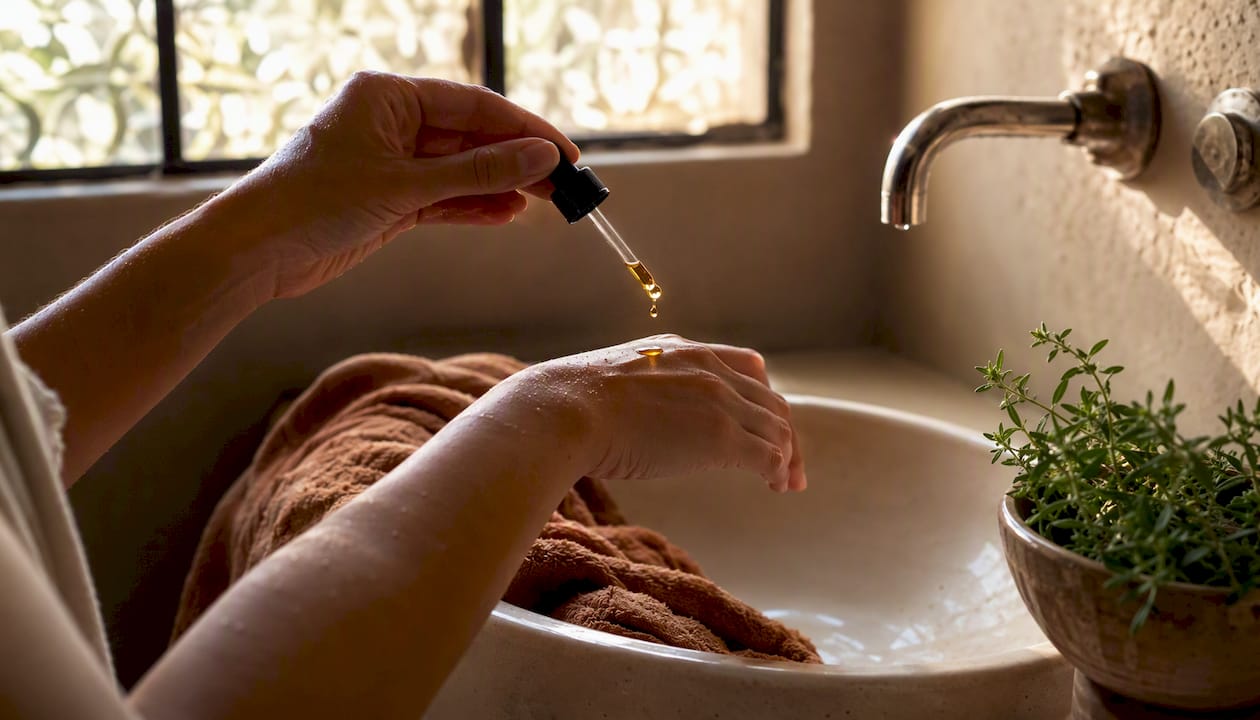
Pro Tip: For sensitive skin routines, introduce sumac seed oil every other night for the first two weeks before moving to nightly use. This gives your skin time to adjust without triggering reactivity.
How to apply sumac seed oil safely in your skincare routine
Placement in your routine matters as much as the oil itself. Oils seal in moisture, so they belong near the end of your routine, after water-based products.
-
Cleanse your face and pat dry, leaving skin slightly damp.
-
Apply any water-based serums or treatments first (hyaluronic acid, niacinamide, vitamin C). Let them absorb for 30–60 seconds.
-
Dispense 2–4 drops of sumac seed oil into your palm. Warm it briefly between your fingers.
-
Press gently into skin rather than rubbing. Focus on dry zones, the outer cheeks, and the eye area if desired.
-
Follow with moisturizer if you prefer a richer finish, or use the oil as your final step if your skin is already well-hydrated.
-
In the AM routine, apply before SPF. The oil absorbs well enough that it won’t interfere with sunscreen adhesion if you allow 1–2 minutes before applying.
Dilution guidance:
-
As a standalone facial oil: 100% (2–4 drops)
-
As a moisturizer booster: mix 3–5 drops into your regular cream in your palm before applying
-
As a body oil: apply directly to damp skin after showering; 6–10 drops covers arms and legs
Patch-test protocol: Apply a small amount to the inner forearm or behind the ear. Leave it undisturbed for 24–48 hours. Redness, itching, or swelling means stop use. No reaction means you’re clear to use it on your face.
Layering caution: Avoid combining with high-concentration retinoids or strong AHAs/BHAs in the same application step if your skin is reactive. Use the oil on alternating nights from those actives until you know how your skin responds.
Side effects, allergy risk, and when to avoid sumac seed oil
For most people, topical sumac seed oil carries a low-to-moderate risk profile. The notable exception is anyone with sensitivity to the Anacardiaceae plant family.
-
Anacardiaceae cross-reactivity: Rhus coriaria belongs to the same family as poison ivy, poison oak, and mango. If you’ve had a contact dermatitis reaction to any of these, your risk of reacting to sumac oil is meaningfully higher. This is the single most important safety consideration.
-
Irritant contact dermatitis: Possible with undiluted application on compromised or very sensitive skin. Tannins and phenolics in the oil can be irritating at higher concentrations.
-
Allergic contact dermatitis: Less common but possible. Symptoms include redness, itching, and vesicle formation at the application site, typically appearing 12–48 hours after contact.
-
Photosensitivity: Not a well-documented concern for cold-pressed sumac seed oil specifically, but if you’re using it alongside other active topicals (retinoids, exfoliating acids), apply at night and wear SPF during the day.
Avoid sumac seed oil if you:
-
Have a confirmed urushiol allergy or strong Anacardiaceae sensitivity
-
Have active, severe, or open dermatitis or broken skin
-
Are applying to young children without clinician guidance
-
Are taking immunosuppressant medications (consult your clinician before adding any new topical botanical)
Stop use and seek care if you develop spreading redness, hives, difficulty breathing, or any systemic reaction after topical application. For localized irritation, wash the area with mild soap and water and discontinue use.
A brief note on oral sumac supplements: topical use at cosmetic concentrations carries minimal systemic absorption risk, but if you’re also taking oral sumac products, check with your clinician about cumulative effects.
Pro Tip: The patch test isn’t optional if you have any history of plant allergies. Two days of patience on your forearm is a much better outcome than a week of facial irritation.
How to choose a quality sumac seed oil: what to look for
Not all sumac seed oils are equivalent. The same species grown in different regions, processed differently, and stored under varying conditions can yield oils with meaningfully different fatty-acid profiles and shelf stability.
-
Species verification: Confirm the label states Rhus coriaria, not a related species like Rhus chinensis or an unspecified “sumac.” The fatty-acid profiles differ.
-
Extraction method: Cold-pressed is the standard for topical-grade oils. Solvent or heat extraction degrades tocopherols and can leave residual solvents.
-
Certificate of Analysis (COA): A COA from a third-party lab should confirm fatty-acid percentages, peroxide value (freshness indicator), acid value, and absence of heavy metals or solvents. Request it before purchasing if it’s not published.
-
Packaging: Dark glass bottles (amber or violet) protect against UV degradation. Avoid clear plastic containers for long-term storage.
-
Production date and expiry: Seed oils with high unsaturated fatty-acid content oxidize over time. Look for a production date and use within 12–18 months of opening.
-
Origin and sourcing transparency: Wildcrafted or traceable agricultural origin matters because geographic and processing variation significantly affects composition. Palestinian, Lebanese, and Jordanian origins are well-documented in the literature.
Spotting rancidity at home: Fresh sumac seed oil has a mild, slightly nutty scent. A sharp, crayon-like, or paint-like smell signals oxidation. Color darkening beyond the natural golden-amber tone is another indicator. Store in a cool, dark location, and refrigerate after opening if you won’t finish it within three months.
Pro Tip: A seller who publishes a COA and names the harvest region is telling you something important: they’ve tested their product and they’re confident in what it shows. That transparency is worth more than any marketing claim on the label.
What makes Palinova Wild Sumac Seed Oil different?
Palinova’s Wild Sumac Seed Oil is cold-pressed from wildcrafted Rhus coriaria seeds sourced from Palestinian agricultural land, and its declared fatty-acid composition matches the profile the literature identifies as most beneficial for topical skin use.
|
Component |
Palinova’s Declared Content |
|
Linoleic acid (C18:2) |
43% |
|
Oleic acid (C18:1) |
36% |
|
— |
12% |
|
cis-Vaccenic acid (C18:1t) |
3% |
|
— |
1% |
|
Flavonoids and tocopherols |
Present |
The combined unsaturated fatty-acid content (linoleic + oleic) places this oil well within the range documented for wild sumac populations. The cold-press process retains the flavonoids and tocopherols that contribute antioxidant activity, which heat or solvent extraction would partially or fully destroy.
Sourcing: Wildcrafted Palestinian origin means the plant grows in its native habitat without synthetic agricultural inputs, consistent with Palinova’s commitment to Palestinian botanical authenticity. This matters for both the clean-label value and for traceability.
Recommended uses for this product:
-
2–4 drops as a nightly facial oil on clean skin
-
3–5% blend into an unscented moisturizer for a barrier-boosting effect
-
Spot application to dry patches on elbows, knees, or heels
-
Body oil applied to damp skin post-shower
Pro Tip: Contact Palinova directly to request the product’s COA. Knowing the peroxide value and confirming the fatty-acid percentages against the declared composition is the most concrete quality check you can do before committing to regular use.
What the evidence actually means for your skin
The research on Rhus coriaria seed oil is genuinely encouraging, but it rewards honest reading. The compositional data is solid: a linoleic-dominant, oleic-rich profile with tocopherols and flavonoids is a well-characterized combination for barrier support and antioxidant protection. Where the evidence thins out is in controlled human topical trials, and that gap matters.
What this means practically: you can reasonably expect moisturization and barrier improvement with consistent use, because those outcomes are tied directly to fatty-acid composition, which is well-documented. Antioxidant protection is plausible and supported by tocopherol content. Antimicrobial effects on skin, while supported in vitro, remain unconfirmed in clinical topical settings.
The cultural and sourcing dimension of Palinova’s product isn’t just marketing. Wildcrafted Palestinian origin with transparent composition is a meaningful trust signal in a category where product quality varies widely. If you want to explore the broader range of Palestinian botanical skincare, Palinova’s skincare collection offers several complementary formulations. Palinova also offers free aromatherapy consultations for anyone who wants personalized guidance on incorporating this oil into their routine. For serious skin conditions, that consultation should include your dermatologist.
Palinova Wild Sumac Seed Oil is ready to try
Palinova’s Wild Sumac Seed Oil gives you a cold-pressed, wildcrafted Rhus coriaria seed oil with a declared fatty-acid profile you can verify, sourced from Palestinian botanical heritage with no synthetic additives. That’s a meaningful contrast to generic “seed oil blends” with no origin transparency and no published composition.
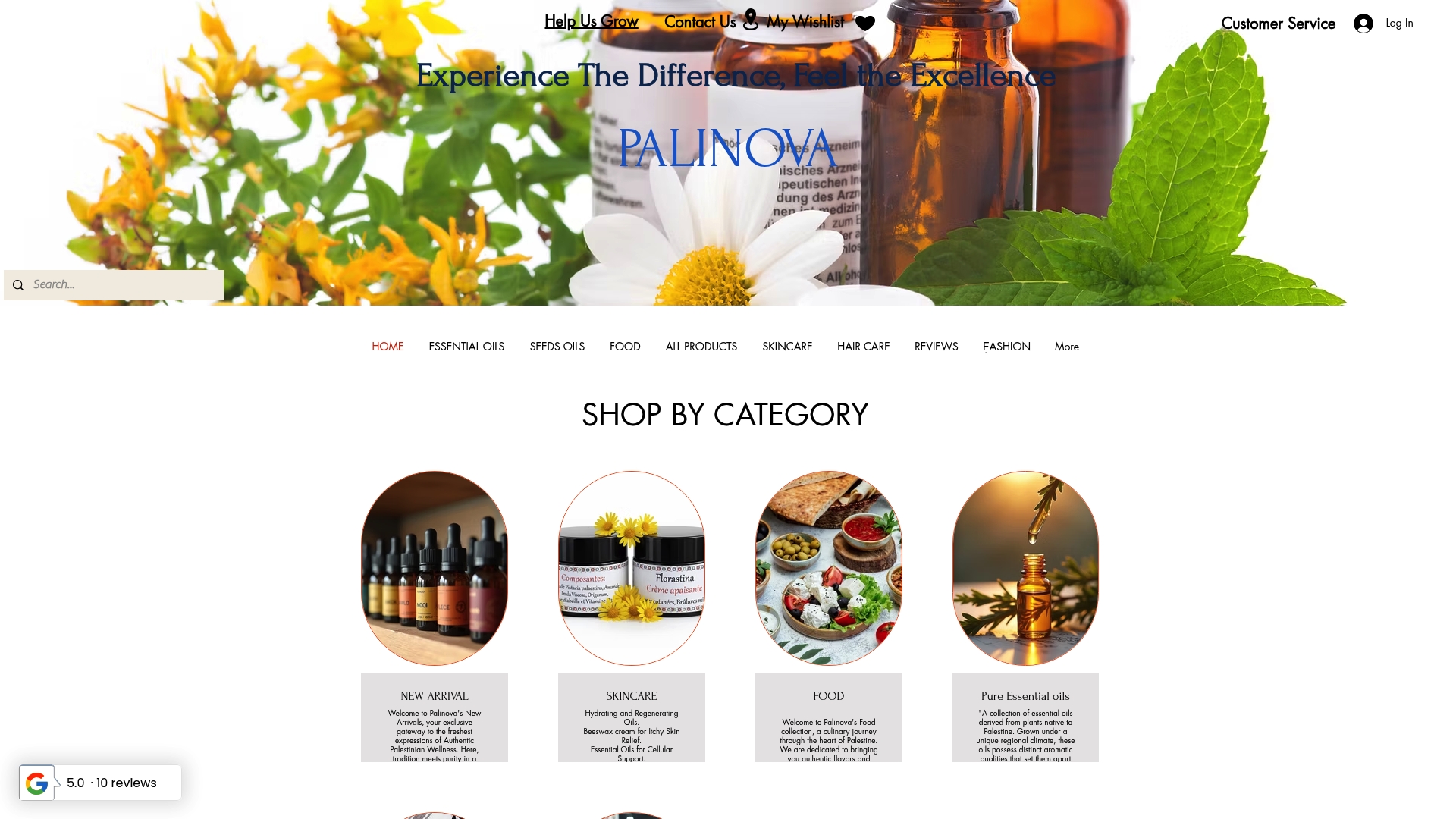
Visit the Sumac Seed Oil product page to review the full product details and place an order. Patch-test for 24–48 hours before full facial use, and reach out to Palinova’s customer support to request the COA if you want to verify the fatty-acid percentages and peroxide value before committing.
Sources
FAQ
What is sumac seed oil good for on skin?
Sumac seed oil (Rhus coriaria) supports skin barrier function and moisturization through its high linoleic and oleic acid content, and contributes antioxidant protection via tocopherols and flavonoids. Evidence is strongest for moisturization; antimicrobial and anti-inflammatory effects are supported in vitro but not yet confirmed in controlled human topical trials.
Can you apply seed oil directly to your skin?
Yes, most cold-pressed seed oils including sumac seed oil can be applied directly to skin, typically 2–4 drops for facial use. A 24–48 hour patch test on the inner forearm is recommended before full application, particularly for anyone with plant allergies.
What is the best seed oil for skin barrier repair?
Oils with high linoleic acid content are generally considered most effective for barrier repair, since linoleic acid supports ceramide synthesis. Palinova Wild Sumac Seed Oil, at 43% linoleic acid, fits this profile well alongside other linoleic-rich options in the seed oil category.
Who should avoid sumac seed oil on skin?
Anyone with a known sensitivity to Anacardiaceae plants (poison ivy, poison oak, mango) should avoid sumac seed oil or patch-test with extreme caution, as cross-reactivity within the family is possible. People with active severe dermatitis, broken skin, or urushiol allergy should also avoid it.
Does cold-pressed sumac seed oil differ from sumac extract?
Yes, significantly. Cold-pressed seed oil delivers fatty acids and tocopherols as its primary actives. Sumac extracts and fruit powders are richer in polyphenols and tannins. Most antioxidant and antimicrobial studies use extracts, so their findings don’t transfer directly to cold-pressed seed oil, though the oil retains meaningful levels of flavonoids and tocopherols.
Recommended
Frequently Asked Questions
What is sumac seed oil good for on skin?
Sumac seed oil (Rhus coriaria) supports skin barrier function and moisturization through its high linoleic and oleic acid content, and contributes antioxidant protection via tocopherols and flavonoids. Evidence is strongest for moisturization; antimicrobial and anti-inflammatory effects are supported in vitro but not yet confirmed in controlled human topical trials.
Does cold-pressed sumac seed oil differ from sumac extract?
Yes, significantly. Cold-pressed seed oil delivers fatty acids and tocopherols as its primary actives. Sumac extracts and fruit powders are richer in polyphenols and tannins. Most antioxidant and antimicrobial studies use extracts, so their findings don't transfer directly to cold-pressed seed oil, though the oil retains meaningful levels of flavonoids and tocopherols.